SEPA

Weather Proofing Broadcast Television Equipment

Alex Speidel2025-06-10T10:00:37-04:00

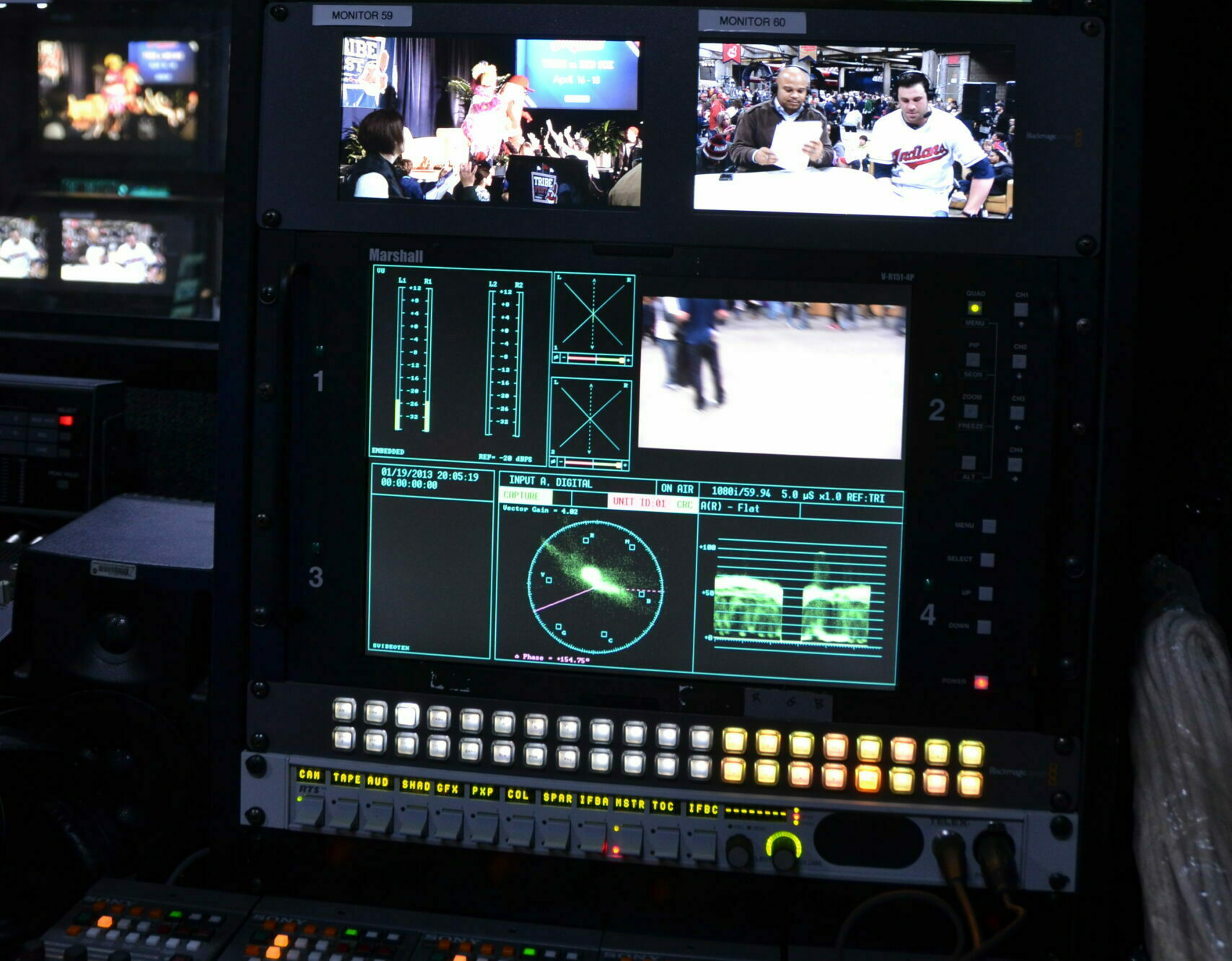
Weatherproofing broadcast television equipment is important when filming in outdoor or inclement weather conditions to protect the equipment from damage and ensure the safety of the crew. Here are some steps to properly weatherproof broadcast television equipment: Use protective cases: Use protective cases and covers to protect cameras, microphones, and other equipment from moisture, dust,
Weather Proofing Broadcast Television EquipmentAlex Speidel2025-06-10T10:00:37-04:00

Vector Scopes & Waveform Monitors

Alex Speidel2025-04-03T11:54:26-04:00

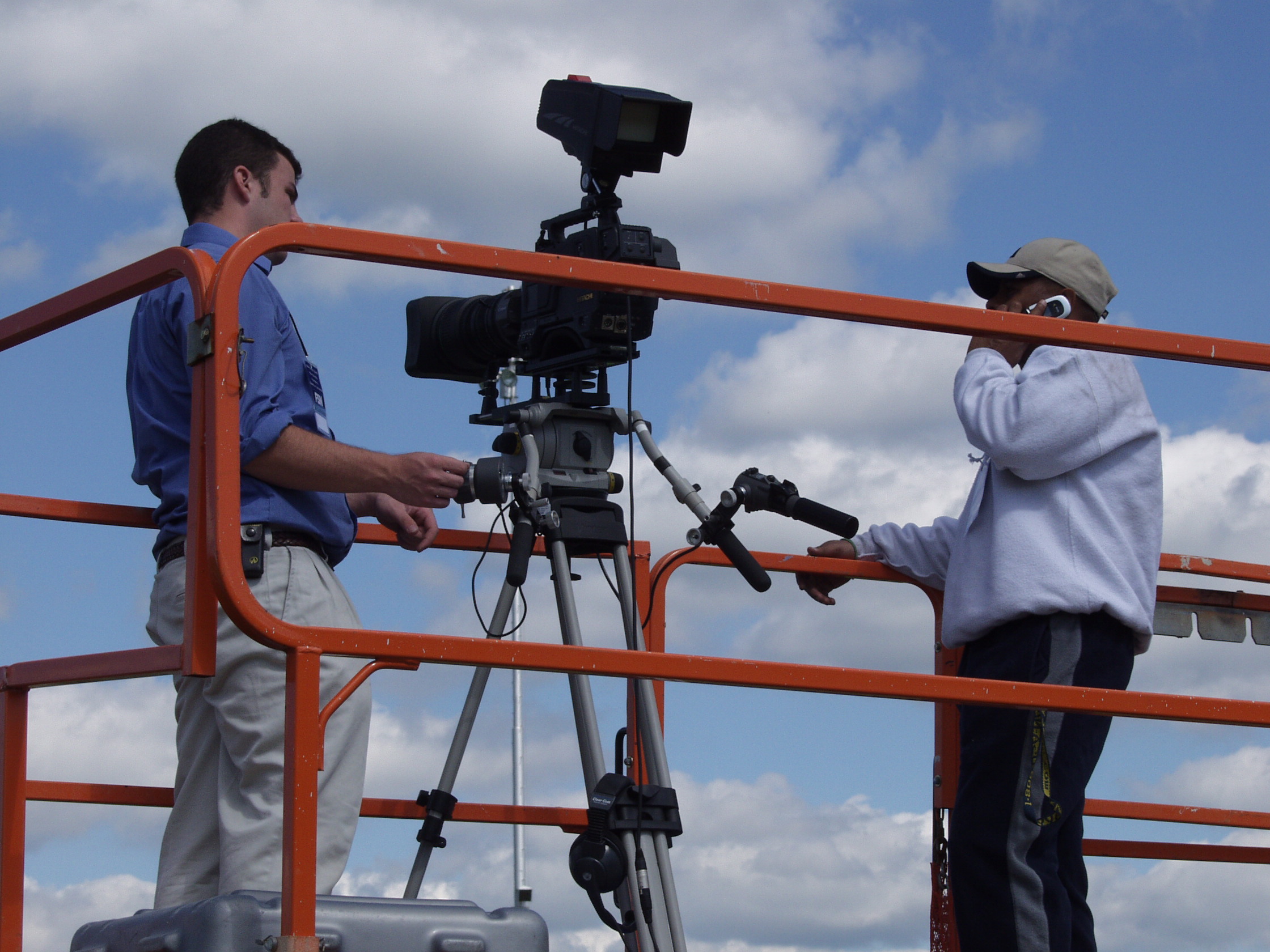
How to read a Vector Scope and Waveform Monitor Understanding how to read a waveform monitor and a vector scope is the first step in being able to effectively shade cameras on a live production.  Waveform monitors and vector scopes are essential tools for video professionals to ensure that their content meets technical standards

Vector Scopes & Waveform MonitorsAlex Speidel2025-04-03T11:54:26-04:00

How to Troubleshoot a Broadcast System

Alex Speidel2025-04-03T11:52:47-04:00

How to Troubleshoot a Broadcast System Learning how to efficiently troubleshoot is an especially useful skill to have when you are working in a live production environment.  It is important to use your time efficiently when on site before a show, especially since there is a hard deadline for you to have your equipment

How to Troubleshoot a Broadcast SystemAlex Speidel2025-04-03T11:52:47-04:00

Camera Positions and Assignments for Swimming

Alex Speidel2024-01-22T15:31:42-05:00

Camera 1 - Race Follow Positioned even with the start/finish line. Responsible for keeping all swimmers in frame, while prioritizing the lead 2 or 3 racers. Also responsible for getting the start when all the racers dive into the pool. After the race, will push in to the winner for celebration. Camera 2 -

Camera Positions and Assignments for SwimmingAlex Speidel2024-01-22T15:31:42-05:00

Camera Positions and Assignments for Hockey

Alex Speidel2023-02-15T16:24:01-05:00

Camera 1 - Game Follow Wide shot that will keep between around 35% of the ice in frame.  A wide shot that will provide general coverage of the gameplay. Camera 2 - Tight Follow Tight head-to-toe shot of the player with the puck and 1-2 closest defenders.  Will follow the player at fault after a

Camera Positions and Assignments for HockeyAlex Speidel2023-02-15T16:24:01-05:00

Scouting a Location

Alex Speidel2025-07-14T15:14:36-04:00

Throughout your career, you may be asked to conduct a “Site Survey” ahead of a live production.  When scouting a location, there are many questions that need to be answered, or you risk failure on the day of the show. Step 1:  Determining Truck Placement The first thing that needs to be answered is

Scouting a LocationAlex Speidel2025-07-14T15:14:36-04:00

Building a Broadcast Booth

Alex Speidel2025-04-03T11:40:40-04:00

While building a booth will vary based on your situation and location, here is a standard set-up when it comes to your sports audio booth. Steps to build a broadcast booth: Gather supplies Connect to boxes Connect to talkback Connect to headset Dress mult cable Plug mic cables into mult box Plug in IFB

Building a Broadcast BoothAlex Speidel2025-04-03T11:40:40-04:00

Camera Positions and Assignments for Volleyball

Alex Speidel2025-06-10T10:57:18-04:00

Camera 1 - Game Follow Wide shot that will keep approximately ½ to ⅔ of the court in frame. A wide shot that will provide general coverage of the gameplay. Camera 2 - Tight Follow Tight head-to-toe shot of the player serving the ball. During action, will follow the action as the ball goes

Camera Positions and Assignments for VolleyballAlex Speidel2025-06-10T10:57:18-04:00
Go to Top